Pixel users report frustrating issues with Google Photos becoming unresponsive after editing images, prompting calls for a bug fix from Google.
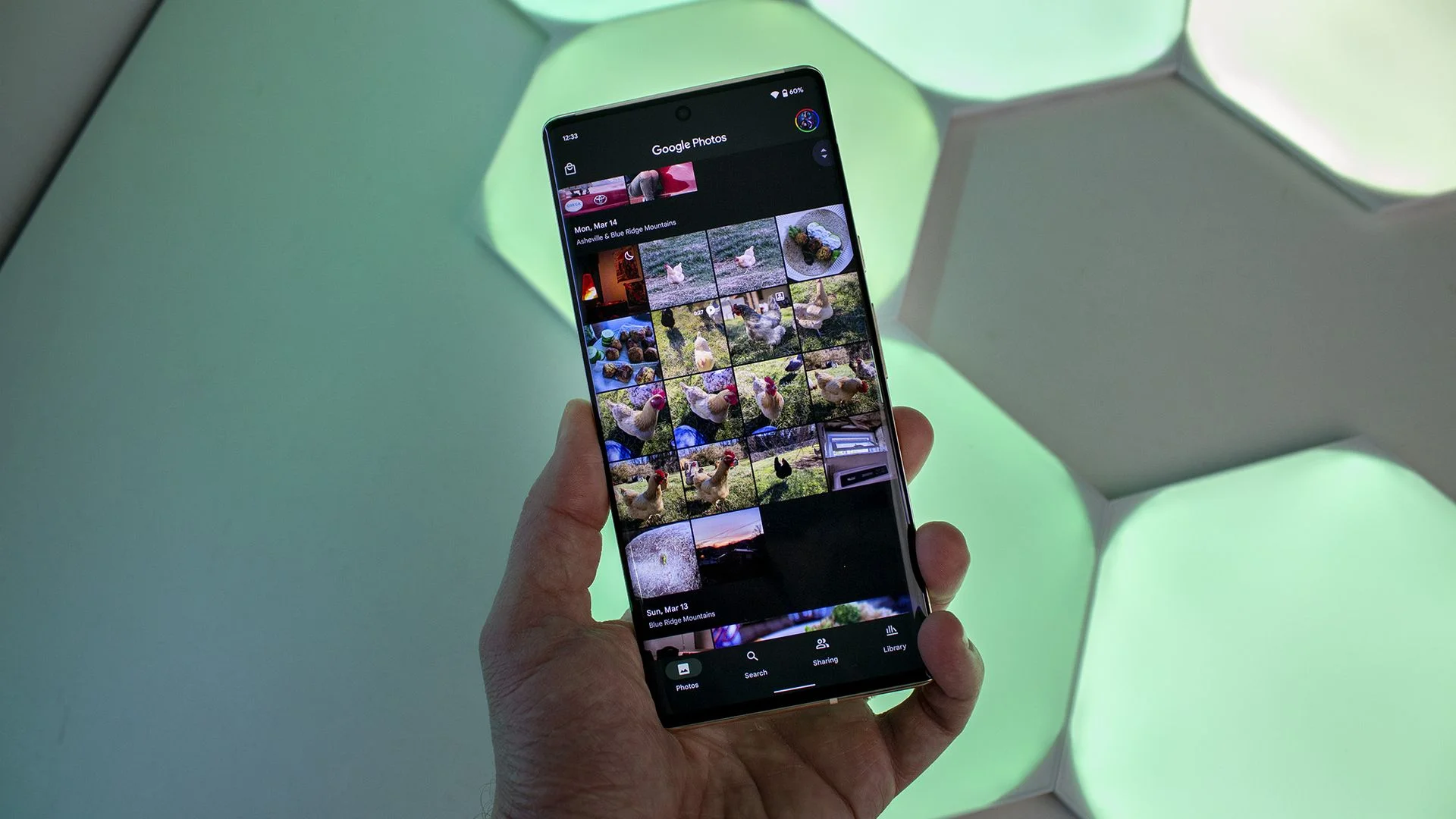
Google Photos is currently causing headaches for Pixel users, who are reporting significant issues when attempting to edit images. Complaints have flooded platforms like Reddit, with multiple users noting that the app becomes unresponsive following any photo modifications.
User Experiences and Reactions
Recent reports surfaced on September 25, with one user detailing their experience with a Pixel 11 Pro XL. After cropping a photo, they found that all options in the app became unusable. Despite tapping on different commands like Share, Edit, and Trash, nothing responded. The situation was puzzling; there were no error messages or indicators of processing—just a frozen screen. Interestingly, unaffected images worked normally, suggesting the issue seems isolated to edited photos.
This frustration isn’t unique. Users with various Pixel models, including the Pixel 9 and Pixel 10 series, have reported similar experiences, further validating a widespread concern. It’s not just a single complaint; a pattern has emerged. One user echoed the original poster's experience, underscoring the uniformity of the issue across different devices. This consistency amplifies the perception that the problem is systemic rather than isolated. When users encounter the same bugs across a slew of models, you can't help but question the quality assurance processes in place.
Voices of dissatisfaction resound loud and clear in digital spaces. Many Pixel users are relying on Google Photos for not just storage but also for editing capabilities. When those features falter, it disrupts not only their workflow but also potentially impacts how they share and showcase their photographic creativity. For many, these moments captured are more than just photos; they reflect personal experiences and memories. Frustration builds when essential tools don’t work as expected.
Google's Response
When Google was alerted, they reached out with potential solutions. However, users who attempted these suggestions reported no change, leading to further dissatisfaction. The recommendation now is to submit formal bug reports, indicating that this matter may require elevated attention from Google’s development team. The company's typical practice involves gathering user feedback and monitoring support channels to pinpoint widespread issues, but in this case, that approach seems sluggish at best. Pushing users to submit bug reports suggests a lack of immediate solutions, a fact that won't boost consumer confidence.
It’s unclear how Google plans to address these technical shortcomings, especially considering that users are left waiting. For a brand heavily invested in its ecosystem, failing to meet users' needs can have longer-term implications. The trust engendered through a well-functioning app is not easily rebuildable. If problems persist, users may begin looking for alternatives, especially as competition among photo editing apps is fierce. Adobe, Snapseed, and other providers constantly offer strong capabilities, often without the technical hurdles currently plaguing Google Photos.
Update-Induced Problems?
There's speculation about whether this recent unresponsiveness stems from the app's latest update, which was released shortly before these complaints began. This update introduced several new features, including Gemini Spark integration for enhanced editing capabilities. The ability to issue AI-driven prompts to adjust images was a highlight, along with new editing tools for changing the mood of photos. However, these new functionalities seem to have come with unexpected drawbacks.
The update promised new "Moods" to cater to different aesthetic preferences, along with a "redact pen" designed for blurring out sensitive content. While the features sound promising, there’s irony in users being unable to access them. Users hoping to take advantage of these tools may find themselves frustrated instead, with the editing options leading to unresponsive behavior within the app. Expectations clash with reality. The excitement that comes with updates can quickly turn into disappointment, particularly when new features result in a decline in app performance.
This scenario points to a bigger issue that often plagues software updates: balancing new capabilities with existing functionality. It's a common challenge. Developers must anticipate how additional features can affect performance across a wide range of devices. If they're not careful, what’s intended as an improvement can devolve into a source of user dissatisfaction, leaving many wondering if they should trust the next update.
Looking Ahead: Implications for Google Photos Users
As the users face this persistent challenge, a fix from Google remains uncertain. With these issues only surfacing recently, it’s likely that a resolution won't be available imminently. Until then, Pixel users may need to exercise patience while waiting for Google to implement necessary software adjustments. This situation raises a critical question: How long can Google maintain its user base if technical reliability continues to wane?
For users working in this space, this is not merely a trivial inconvenience; some might reconsider their dependency on the Google ecosystem for photo management and editing. If you’re relying on this software for personal or professional projects—the stakes are higher. Picture a freelancer or a content creator whose workflow depends on smooth editing tools. Downtime leads to lost opportunities.
For Google, the stakes are equally high. Sustaining user engagement hinges on reliability and innovation, and right now, that balance feels off-kilter. A visible commitment to addressing these bugs swiftly could salvage reputations. Conversely, ignoring the issue may prompt users to explore other options and potentially shift away from Google's integrated ecosystem.
(And this is the part most people overlook): software quality directly influences customer loyalty. Navigating increased competition means Google needs to do better, proving to its users that Star Ratings and Promises matter. If not, they’re merely counting on a user base with a history of inertia rather than genuine satisfaction.
Discussion
Sign in to join the discussion.