Meta's new hologram technology transforms virtual calls, allowing users to interact with lifelike avatars in WhatsApp and VR, enhancing the communication experience.
For years, the prospect of real-life holograms like those depicted in Star Wars felt far-fetched. Yet, it seems that vision is coming to fruition, thanks to Meta's latest advancements.
Meta's Big Reveal
At Meta Connect 2026, the tech giant unveiled its new avatar system, referred to simply as Holograms. With significant enhancements made to its avatar framework over the years—dating back to a rather unflattering initial release—Meta is now making a push for hyper-realistic avatars, beginning with their integration into WhatsApp calls. These developments signal not only a technical evolution but also a shift in how digital interaction could mimic in-person communication.
This avatar system isn't just about aesthetics. It’s rooted in years of research and prototyping. The initial avatars Meta released garnered criticism for being cartoonish and unconvincing, leading to skepticism about whether the company could ever produce something truly life-like. However, this recent reveal suggests that Meta has learned from past shortcomings, indicating a stronger alignment between user expectations and technological capability.
Creating the Holograms
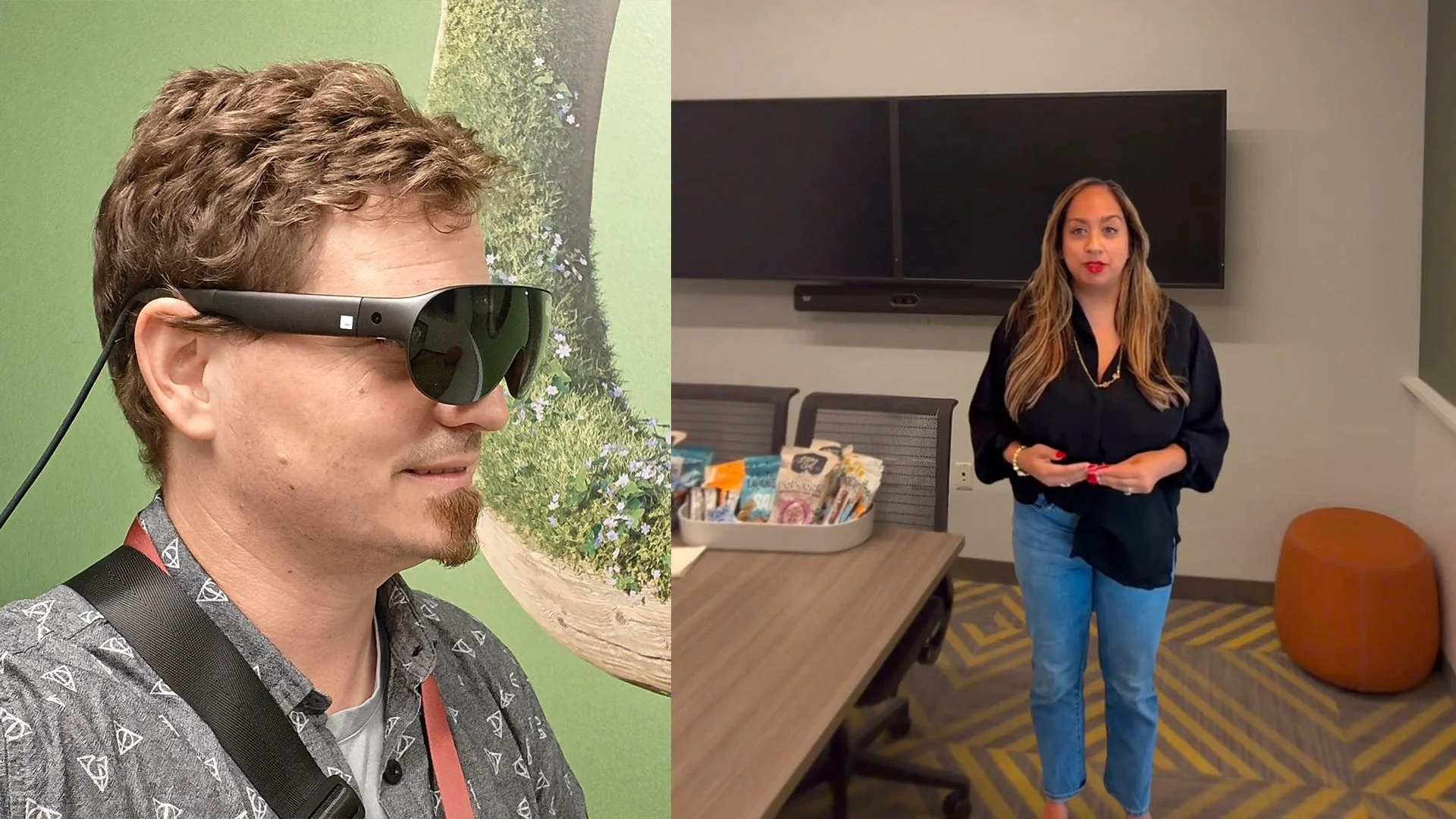
To create these holograms, users can utilize their smartphones to perform a quick scan using Meta's dedicated app. This step is straightforward, requiring only about a minute of user interaction. During a recent demonstration, I completed a scan intended for use with the Meta Ray-Ban Display glasses and standard WhatsApp calls. The app guided me through prompts to capture my unique mannerisms, which introduces a personal touch that’s paramount in digital communication.
Once the scan is done, a Meta representative donned their Meta Ray-Ban Display glasses and called me from another room. When I answered the call, what I saw was an avatar, a hologram—completely lifelike, not simply filtered video. The realism was unsettling yet impressive, highlighting the fine line between the digital and real worlds. The resemblance was striking; it was easy to forget I was communicating with a digital representation rather than a flesh-and-blood individual. This raises questions about identity and authenticity in digital interactions.
The Mechanics Behind the Magic
There's a technological marvel at work here involving Meta’s AI capabilities. Following that initial minute-long scan, additional processing occurs on Meta's servers for around 5-10 minutes, where the AI crafts a personalized 3D representation suitable for holographic applications. On the Ray-Ban Display glasses, the holographic video appears directly within the glasses' interface. This design means that the other party can see your avatar without the need for additional cameras on the glasses, making the experience more user-friendly and accessible.

A Deeper Dive into the VR Experience
Things take an even more fascinating turn in a VR context. During my test using Meta VR Glasses, the experience felt more immersive. With full-color passthrough capabilities, you can see your surroundings while engaging in a call. The hologram not only appears in a floating window like on WhatsApp, but it also conveys a 3D spatial quality, making it feel more like a real presence. This level of immersion is something we've only begun to see in consumer tech, pushing the envelope further than traditional video calls have allowed.
When activated, the feature displaying the full-body avatar makes the call window disappear, placing the participant right before you, rendered at an accurate scale and proportion. The movement and gestures mirror that of the person speaking, aligning impressively with their vocal nuances. This might seem like a small detail, but it significantly enhances the emotional connection during conversations, an aspect often overlooked in standard video calls.
Interaction and Gesture Mapping
The system translates human gestures effectively, removing the need for specialized tracking devices. The AI processes movements based on users' actions during the initial setup. In this instance, the hologram accurately mirrored the outfit and physicality of the person it represented. This aligns with what users expect from real-time interactions, where subtle body language plays a crucial role in effective communication."
As you move around, the hologram remains fixed, always oriented toward you. You can interact with it by repositioning or resizing it dynamically. This setup aims to expand beyond just WhatsApp or Meta VR products, suggesting a broader implementation within the Meta ecosystem through its API. Such expansions could open up numerous avenues for developers and businesses looking to integrate holograms into their platforms.
The Road Ahead: Implications and Future Outlook
This technology has been in development for several years, initially branded as “codec avatars” but now redefined with a more accessible name. The advancements represent significant improvement over prior avatar systems. As the performance of this technology matures, you might see applications in fields like telemedicine, education, and remote work, transforming how we interact in digital spaces.
But these innovations come with caveats. The realism that Meta has achieved raises ethical considerations around privacy, consent, and identity theft. If you're working in this space, it’s vital to think through how such technology could be misused. The waiting period for its final rollout seems promising, but the implications of its widespread adoption could be more profound than the initial excitement suggests.
Meta's push into holographic avatars is more significant than it looks. This isn't just about more lifelike representation; it's a step toward a more blended reality. As we integrate these advanced avatars into daily life, the boundaries between digital and physical existences may blur further, challenging our notions of communication, trust, and social interaction.

Discussion
Sign in to join the discussion.